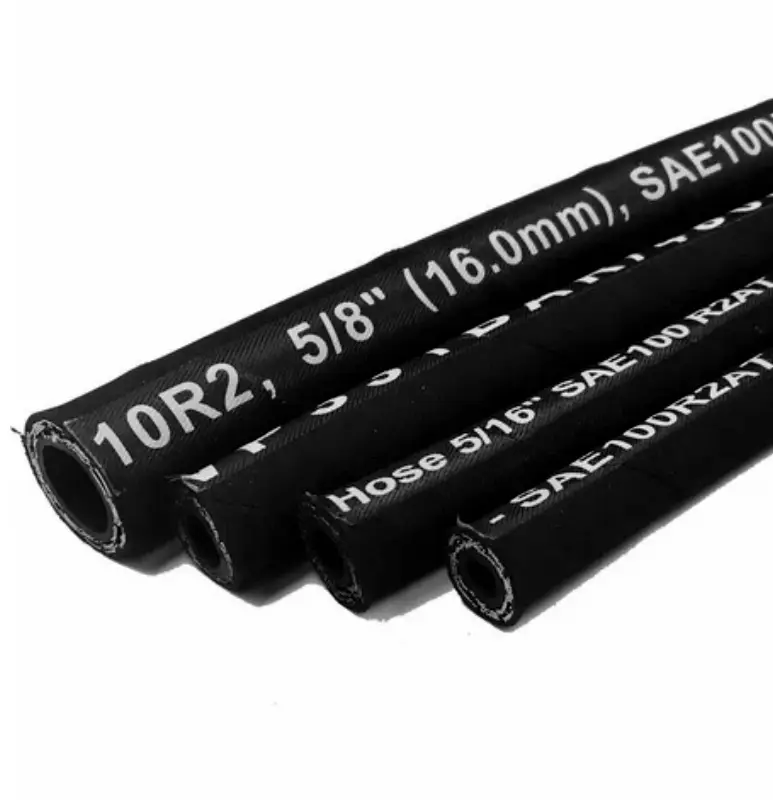
Hydraulic hose damage commonly results from abrasion, pressure overload, incorrect installation, temperature changes, chemical exposure, vibration, and aging. Industry maintenance reports show that hose-related leaks can represent around 40%–60% of hydraulic system failures in heavy equipment applications. Regular inspection, correct hose selection, and professional installation help extend service life and reduce unexpected downtime.
Hydraulic hoses are designed to transfer pressurized fluid between hydraulic components while allowing movement and vibration. A typical hose contains an inner tube, reinforcement layers, and an outer cover, with each layer serving a different purpose. When the outer cover is damaged, the reinforcement can become exposed and lose its ability to handle pressure safely. In many industrial applications, hose failures are not caused by manufacturing defects but by operating conditions that exceed the hose design limits.
A hydraulic hose may look acceptable from the outside while internal reinforcement damage has already started. Regular inspection is needed because external appearance alone cannot show all types of wear.
Abrasion is one of the most common reasons for hydraulic hose replacement. Hoses installed near metal brackets, moving arms, machine frames, or other hoses can experience repeated friction during operation. Over time, the outer rubber layer becomes thinner and may expose steel reinforcement wires. Maintenance surveys from heavy equipment industries indicate abrasion contributes to approximately 30% of premature hydraulic hose replacements.
Construction machines, agricultural equipment, and mining vehicles often experience this problem because their hydraulic systems operate with frequent movement. A hose on an excavator arm may bend and move thousands of times during daily operation. Installing protective sleeves, using clamps, and maintaining correct hose routing can reduce direct contact with surrounding parts.
| Damage source | Common result | Recommended prevention |
|---|---|---|
| Abrasion | Cover wear and wire exposure | Protective sleeve and correct routing |
| High pressure | Leakage or hose burst | Select suitable pressure rating |
| Heat exposure | Rubber hardening and cracks | Use temperature-rated hose |
| Incorrect bending | Reinforcement fatigue | Follow minimum bend radius |
Pressure-related damage is another frequent cause of hydraulic hose problems. Every hose has a maximum working pressure, and operating close to this limit for long periods can reduce service life. Hydraulic systems may experience sudden pressure increases during valve switching, cylinder movement, or pump startup. In some cases, pressure spikes can reach 200%–300% of normal operating pressure.
A hose selected with insufficient pressure capacity may fail even if the average system pressure appears normal. For industrial equipment, engineers often choose hoses with additional pressure margin rather than operating continuously near the maximum rating. Hose standards such as SAE J517 provide guidelines for pressure resistance, dimensions, and performance requirements.
Temperature conditions also affect hydraulic hose performance. Hydraulic fluids can become very hot during continuous operation, especially in systems with high cycle frequency or poor cooling. Extended exposure to high temperatures accelerates rubber aging, causing the inner tube to become harder and less flexible.
Research on rubber materials shows that service life can decrease significantly when operating above the recommended temperature range. A hose working continuously at elevated temperatures may experience a service life reduction of more than 50% compared with normal temperature conditions.
Low temperatures create another type of problem. Cold environments reduce rubber flexibility and increase stiffness. When a stiff hose bends suddenly, cracks may develop in the outer cover or reinforcement layer. Equipment used in outdoor environments often requires hoses designed for temperature ranges below -40°C.
Temperature changes are closely related to installation conditions because incorrect installation can increase stress on the hose structure. A properly selected hose can still fail early if it is installed with excessive bending, twisting, or tension.
Hose bending beyond the recommended radius places uneven stress on reinforcement layers. Manufacturers provide minimum bend radius values because sharp bends can reduce pressure resistance and shorten fatigue life. Tests on reinforced hydraulic hoses have shown that improper bending can reduce fatigue performance by approximately 40% or more depending on hose construction and operating pressure.
Twisting is another installation issue. When a hose is twisted during assembly, the reinforcement layers cannot distribute pressure evenly. Even a small twist of several degrees can increase stress around fittings and connection points.
Proper installation practices include:
-
Measuring hose length before assembly.
-
Checking fitting alignment.
-
Avoiding twisting during connection.
-
Supporting long hose sections with clamps.
-
Keeping hoses away from moving machine parts.
Chemical exposure can also damage hydraulic hoses. Hydraulic equipment may operate near fuels, cleaning agents, solvents, fertilizers, or industrial chemicals. Certain chemicals can weaken rubber compounds, causing swelling, cracking, or reduced flexibility.
The hose material must match the hydraulic fluid and working environment. Different materials provide different resistance levels against oil, heat, and chemicals. A professional hydraulic hose supplier can help select suitable hose materials based on pressure requirements, temperature range, and application conditions.
Aging is another factor that affects hydraulic hose reliability. Rubber materials naturally change over time because of oxidation, repeated pressure cycles, and environmental exposure. Many manufacturers recommend replacing hoses after several years of service, often around 5–7 years, depending on usage conditions.
A hose used in a clean indoor factory environment may last longer than one installed on mining or agricultural equipment. Service records are useful because they allow maintenance teams to identify hoses approaching the recommended replacement period.
Vibration and mechanical movement can accelerate hose wear, especially near fittings. Hydraulic systems on mobile machines experience constant movement from engines, pumps, and operating equipment. Repeated vibration creates stress at connection points and may cause fitting leakage.
For example, a hydraulic hose on a loader may experience thousands of vibration cycles during normal operation. If the hose is not properly secured, movement can increase friction and fatigue around the fittings. Using suitable clamps and allowing enough movement space can improve hose durability.
| Inspection item | Possible problem |
|---|---|
| Cracks on outer cover | Rubber aging or temperature damage |
| Oil leakage near fittings | Connection or sealing issue |
| Exposed wires | Abrasion damage |
| Soft or swollen cover | Chemical incompatibility |
| Flattened hose shape | Excessive bending or pressure |
Regular inspection helps identify problems before they affect equipment operation. Operators should check hoses during routine maintenance instead of waiting until leakage appears. Visual checks, pressure testing, and replacement records can improve hydraulic system reliability.
A maintenance program used in industrial facilities can reduce unexpected hydraulic failures by identifying damaged hoses earlier. Some companies inspect high-use hydraulic equipment weekly, while lower-use systems may follow monthly or quarterly inspection schedules depending on operating conditions.
Hydraulic hose failures usually develop from a combination of mechanical wear, incorrect installation, environmental exposure, and long-term use. Selecting the correct hose specification, installing it properly, and maintaining regular inspection routines can extend service intervals and improve equipment availability.
A reliable hydraulic system depends not only on hose quality but also on correct application, installation, and maintenance throughout the hose service period.